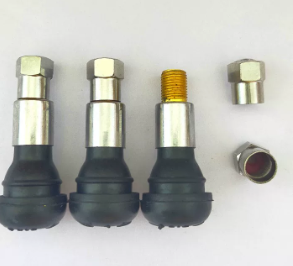


Tire Valve Maintenance, Inspection, and Replacement Recommendations
**Replacement Interval**
**General Recommendation:** The rubber components of a tire valve typically age over a period of **3 to 4 years**; it is recommended that they be replaced concurrently with the tires.
**Mandatory Replacement Scenarios:** Whenever new tires are installed, it is strongly recommended to replace the valve stems at the same time. This is because old valve stems may deteriorate prematurely during the lifespan of the new tires, potentially leading to slow air leaks.
**Assessing for Aging**
**Visual Inspection:** Gently flex the base of the valve stem (near the rim) with your finger to check for any signs of cracks, discoloration, or hardening.
**Leak Detection:**
**Water Immersion Method:** Submerge the valve stem in water or apply soapy water to it, and observe whether a continuous stream of bubbles appears.
**Segmented Troubleshooting:** If a leak is suspected, first inspect the area immediately surrounding the valve stem. If no bubbles are observed there, unscrew the valve cap and spray water directly onto the valve core to test it. If bubbles appear, attempt to tighten the valve core; if the leak persists, the valve core—or the entire valve stem—must be replaced.
Previous: None
-
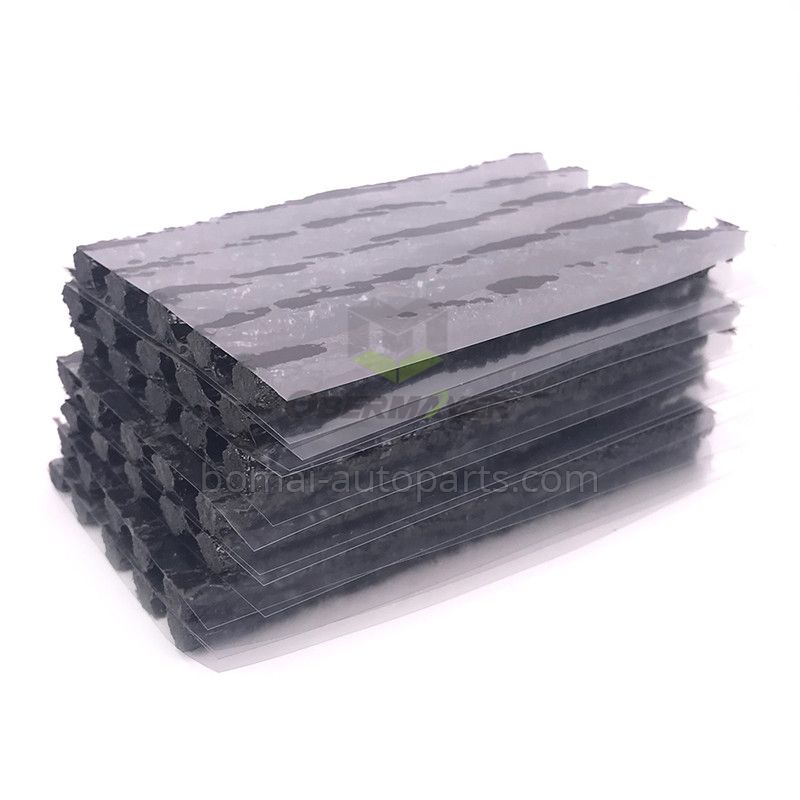
Rubber tire seal strip for 100*6mm in black
View More -
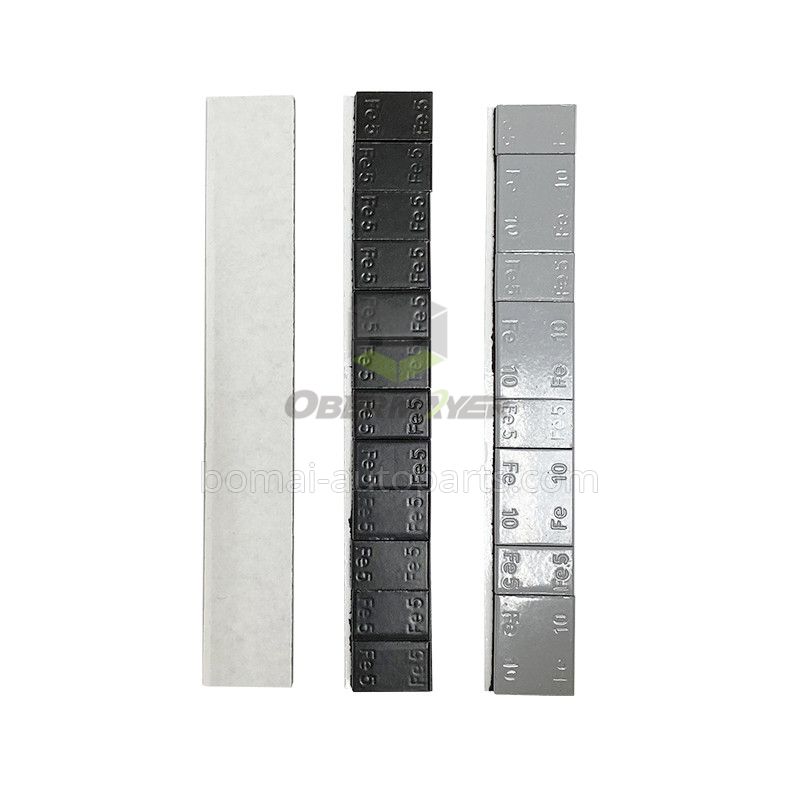
steel wheel weight 5g*12 right angle with epoxy coated
View More -
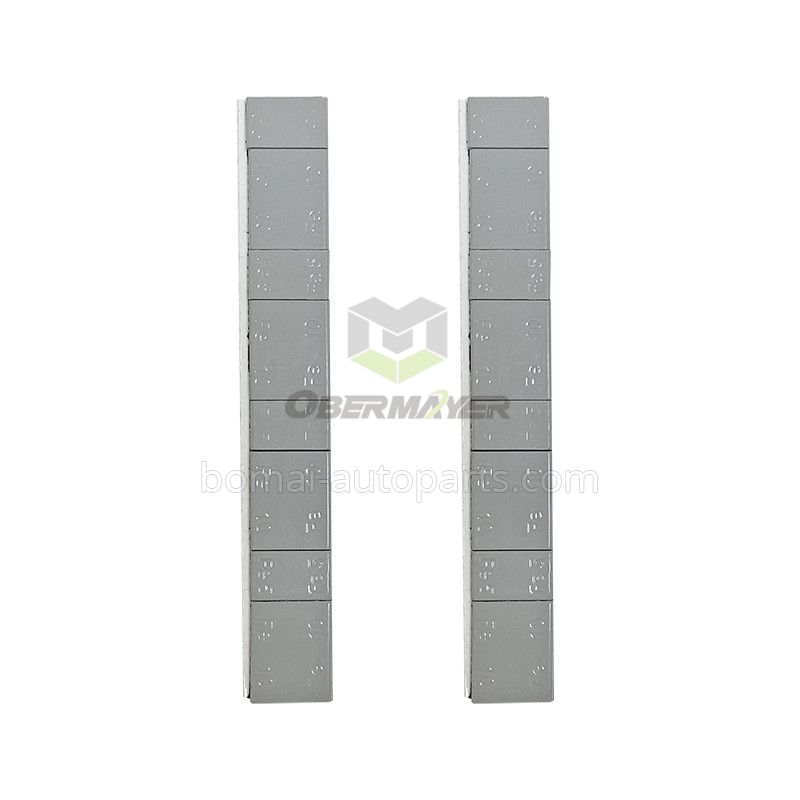
steel wheel weight (5+10)g*4 right angle with epoxy coated
View More -
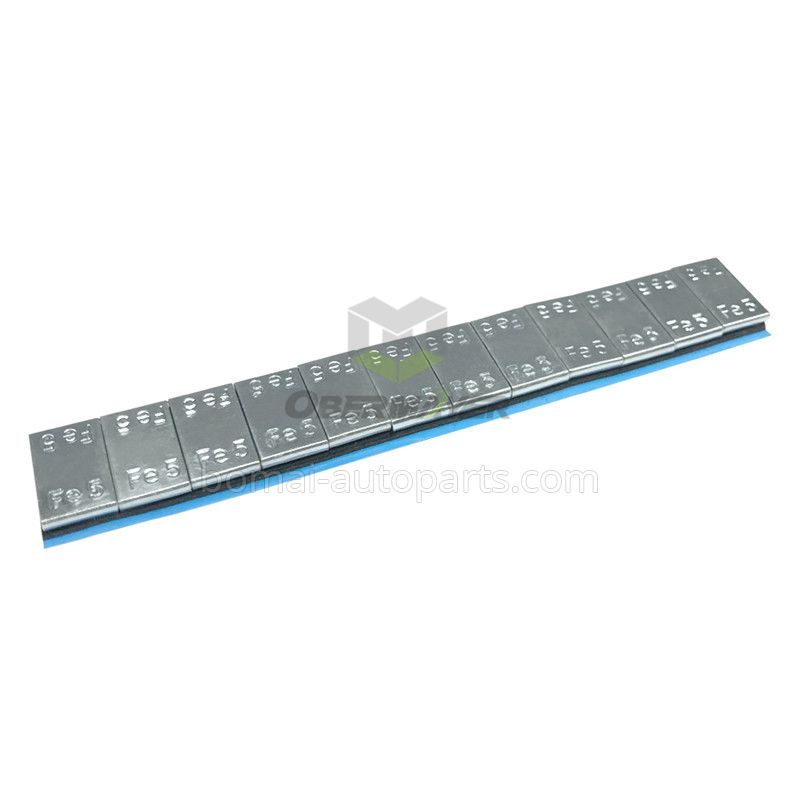
Zinc plated steel wheel weight with easy peal tape right angle
View More -
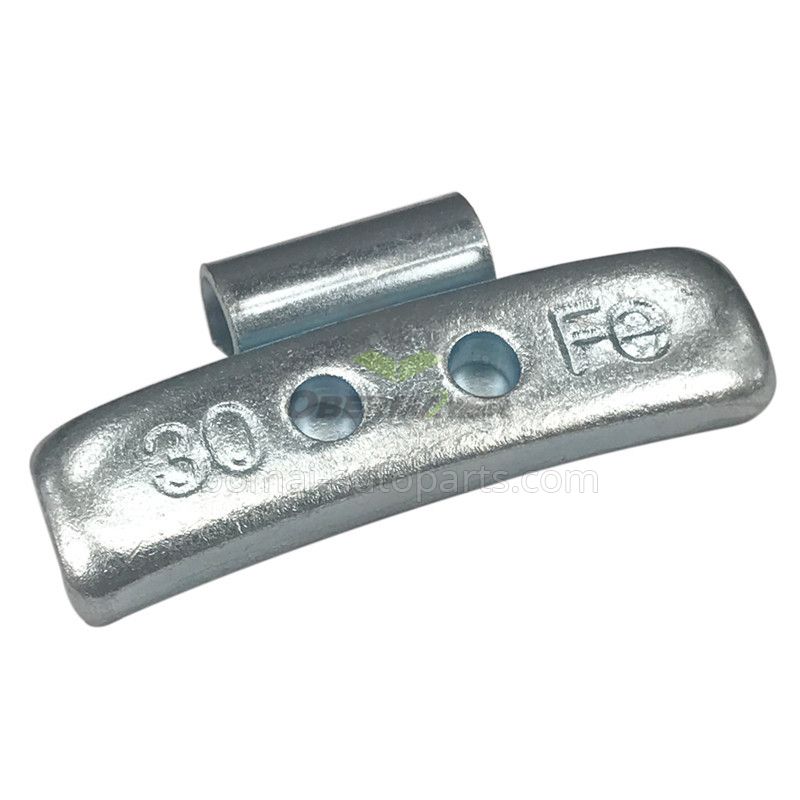
Fe/ Steel clip-on 5g-60g wheel weight for aluminum wheel
View More -
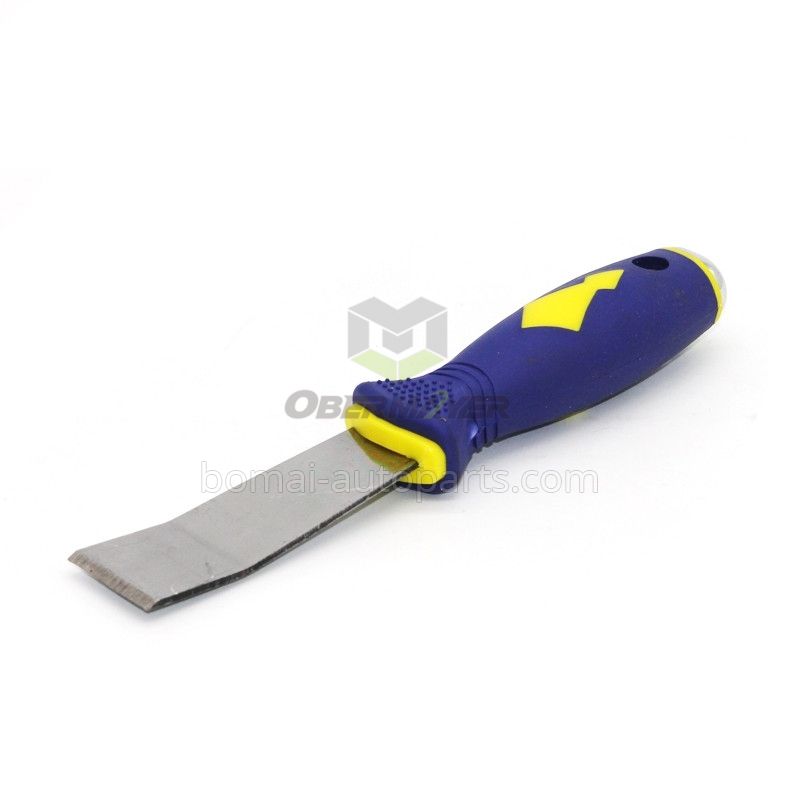
Wheel Weight Remover Shovel/Spader Tools
View More -
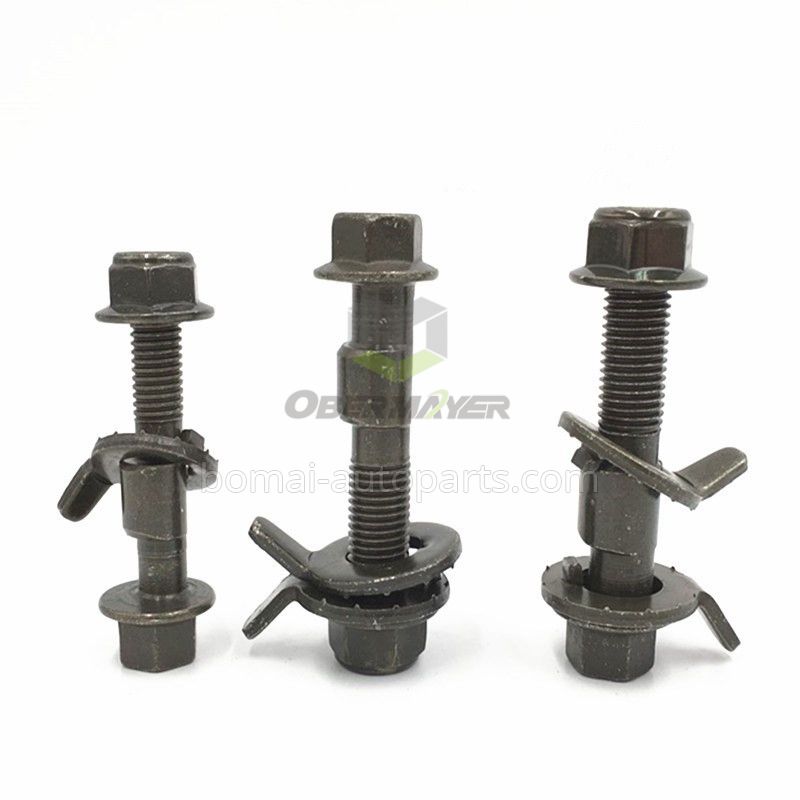
Eccentric Bolt/Screw Wheel Balance Tool
View More -
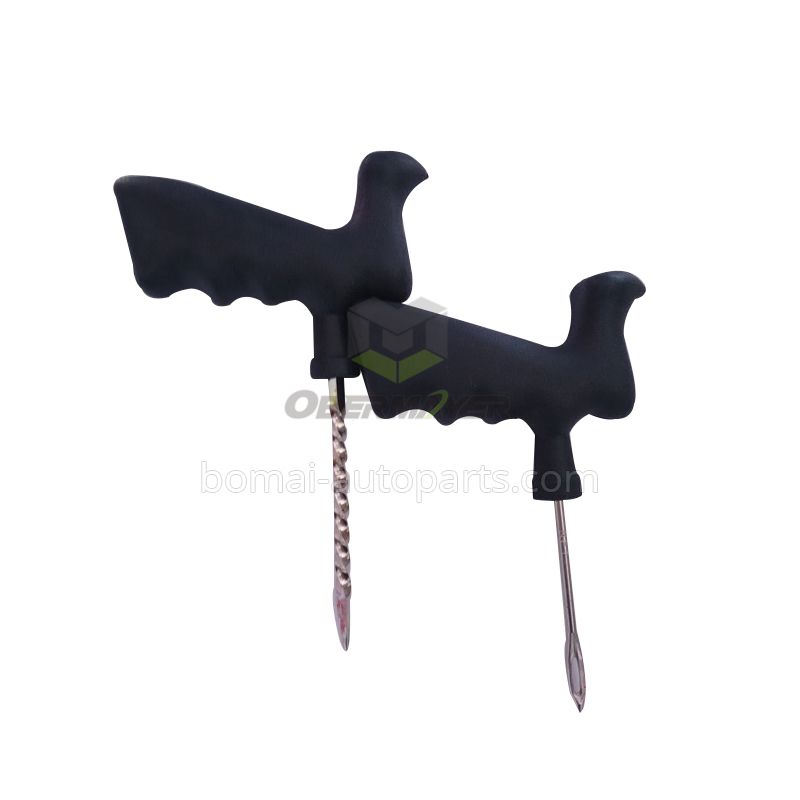
Split Eye Plugger Insertion and Probes For Tire Seal Strip
View More -
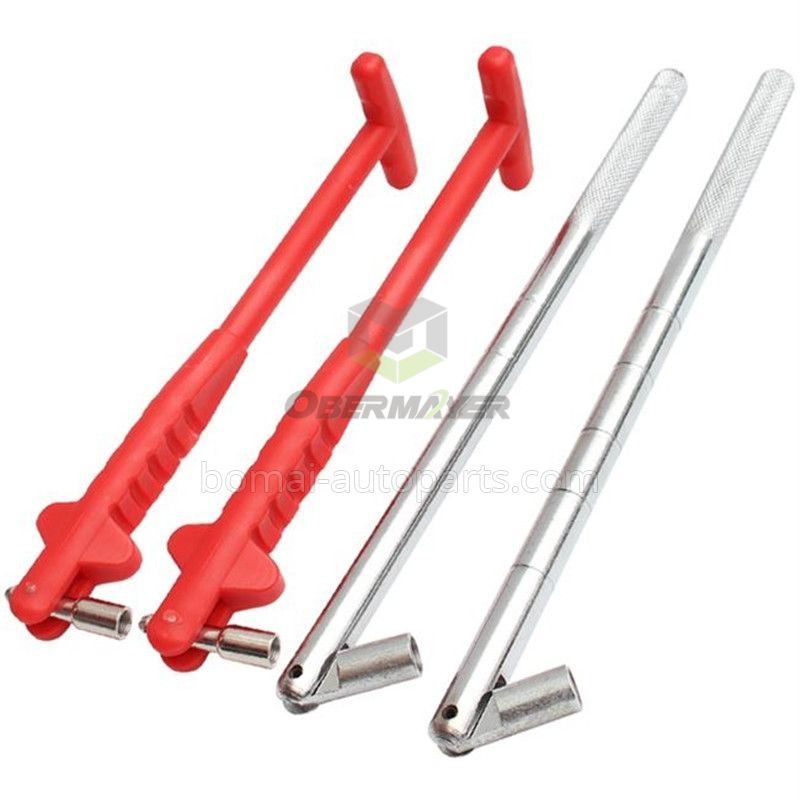
Tire Repair Valve Mounting Tool
View More -
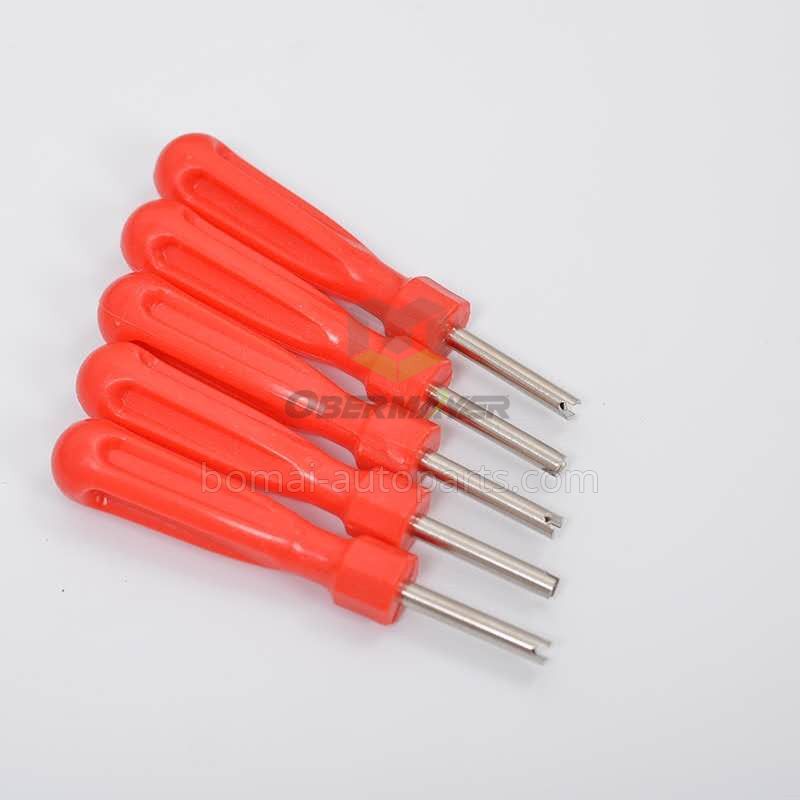
Valve Core Remover/ Wrench Tire Repair Tool
View More -
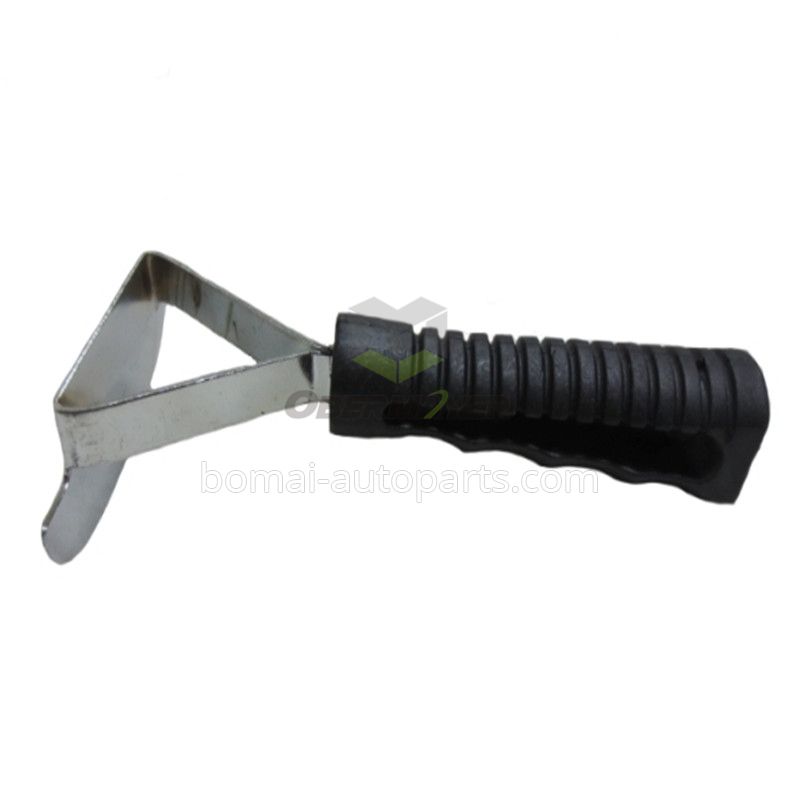
Rubber Handle Steel Scraper Tire Patch Repair Tool
View More -
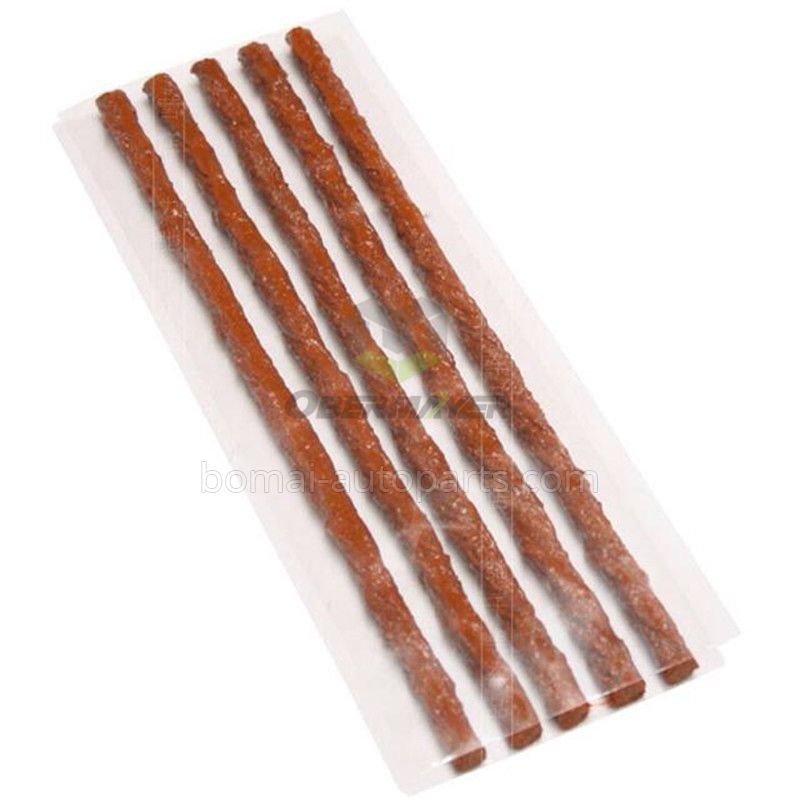
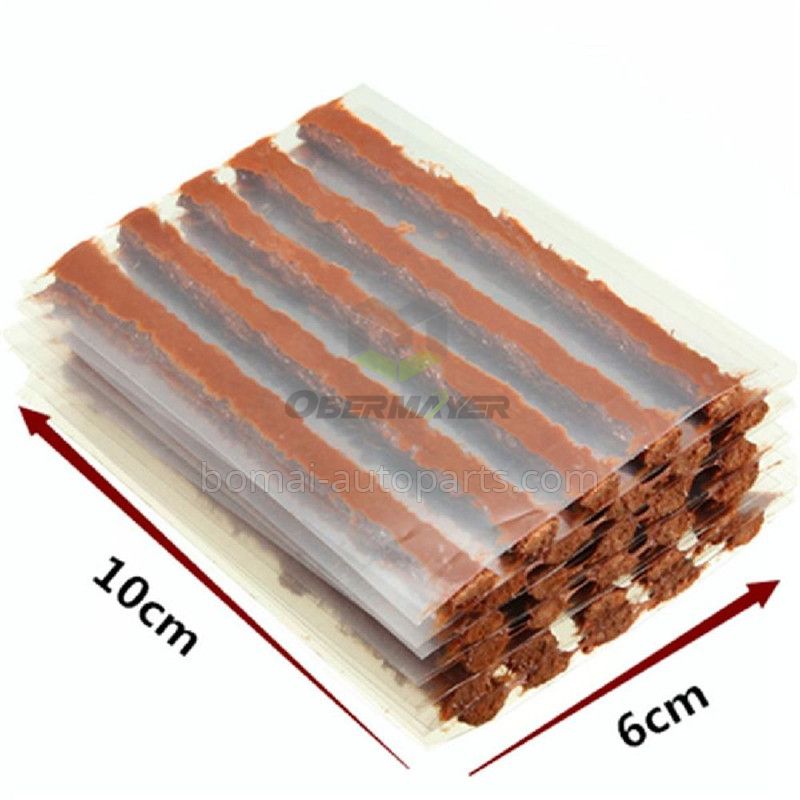
Tire seal strip for 200*6mm brown
View More -
View More
-
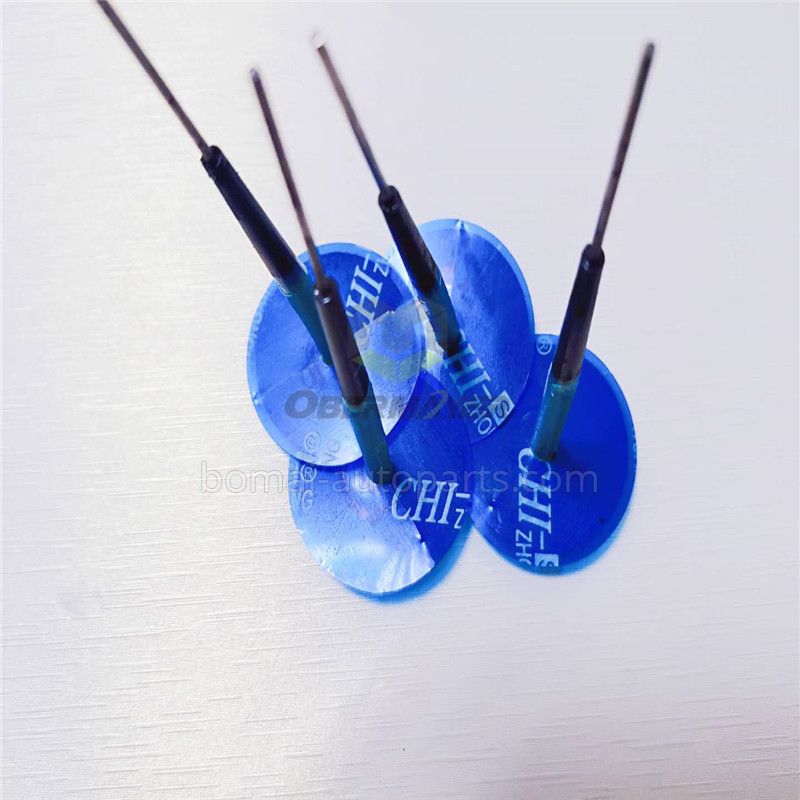
Tire Puncture Repair Wired Plug Mushroom Cold Patch
View More -
View More
-
View More
-
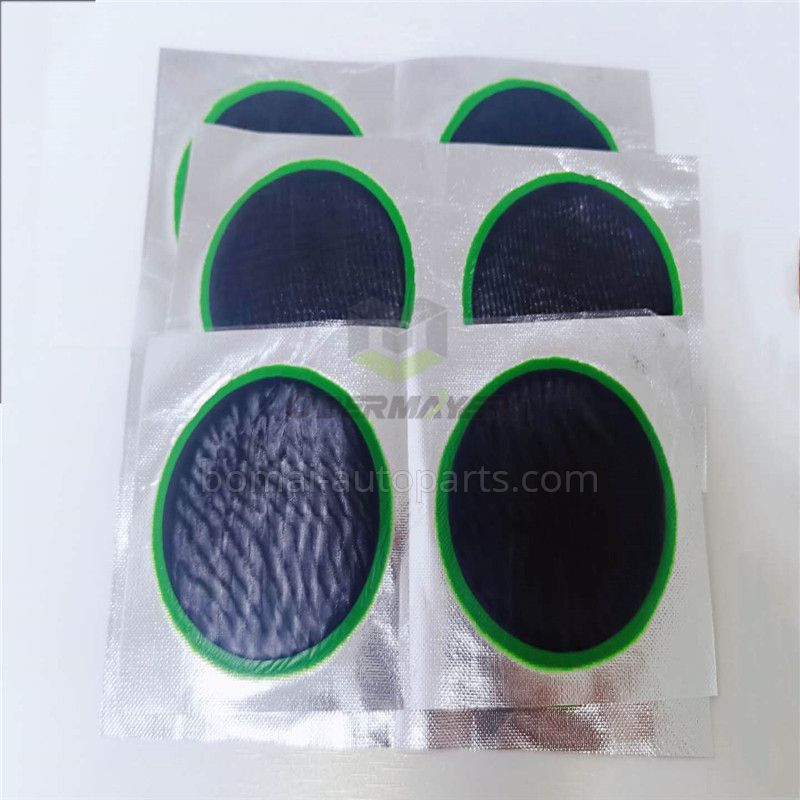
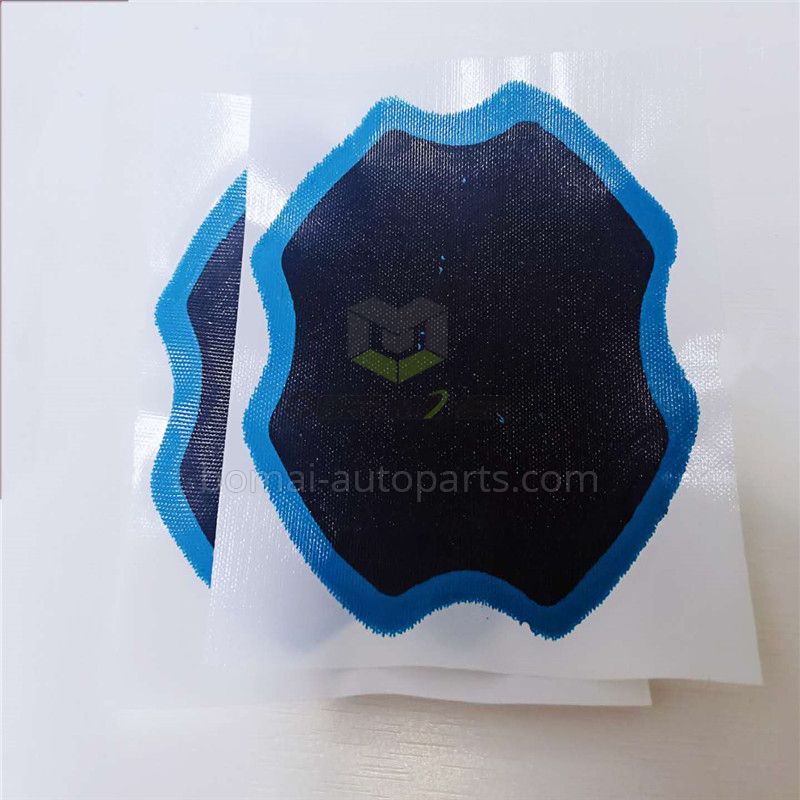
Tubeless Tire Rubber Cooling Pad Cold Patch
View More -
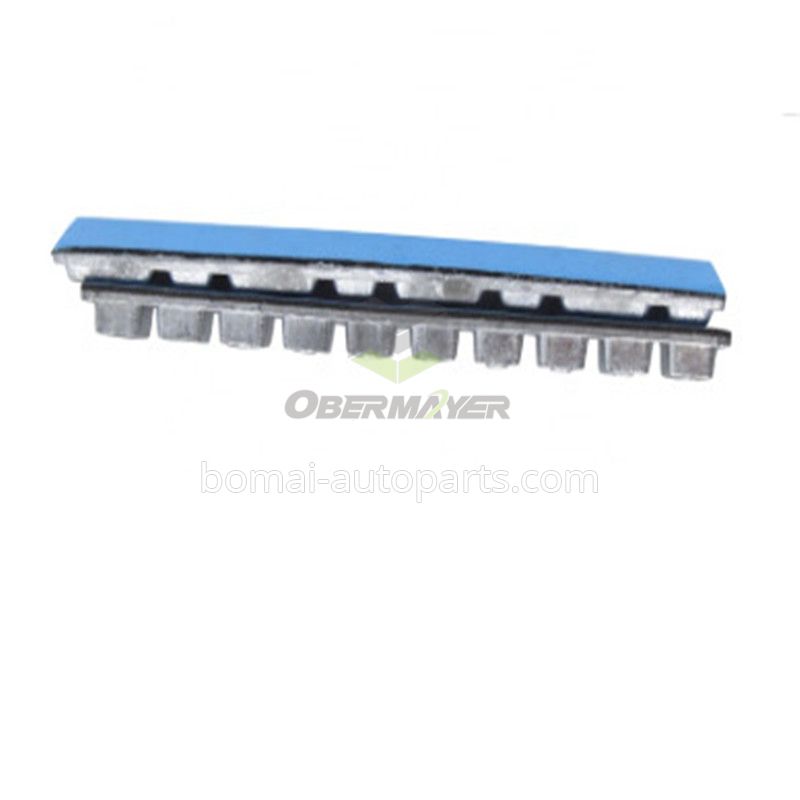
Pb wheel balance weight 5g segments
View More -
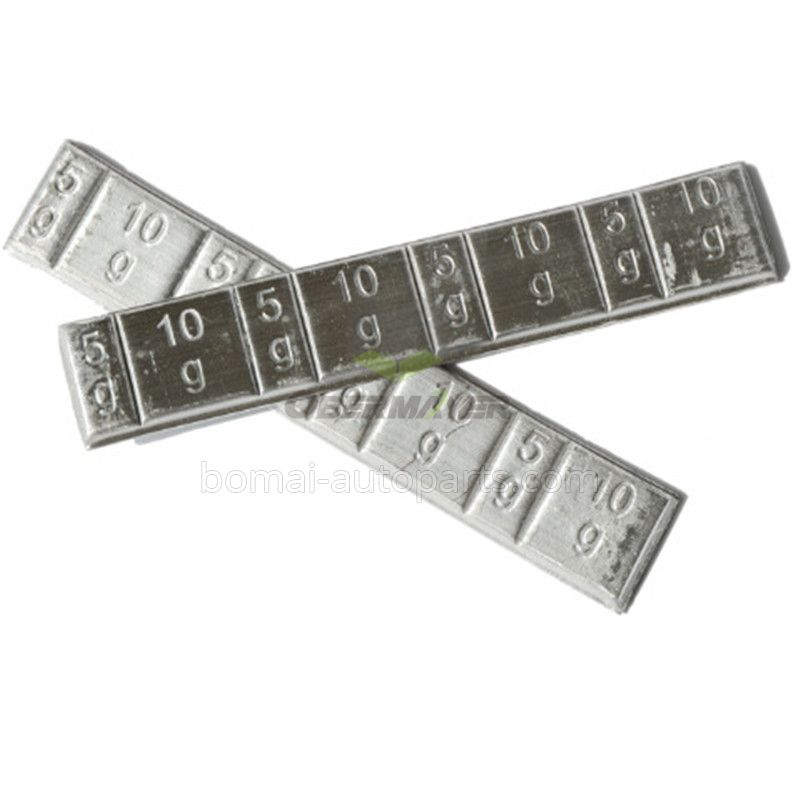
Pb wheel balance weight (5+10) g*4 segments
View More -
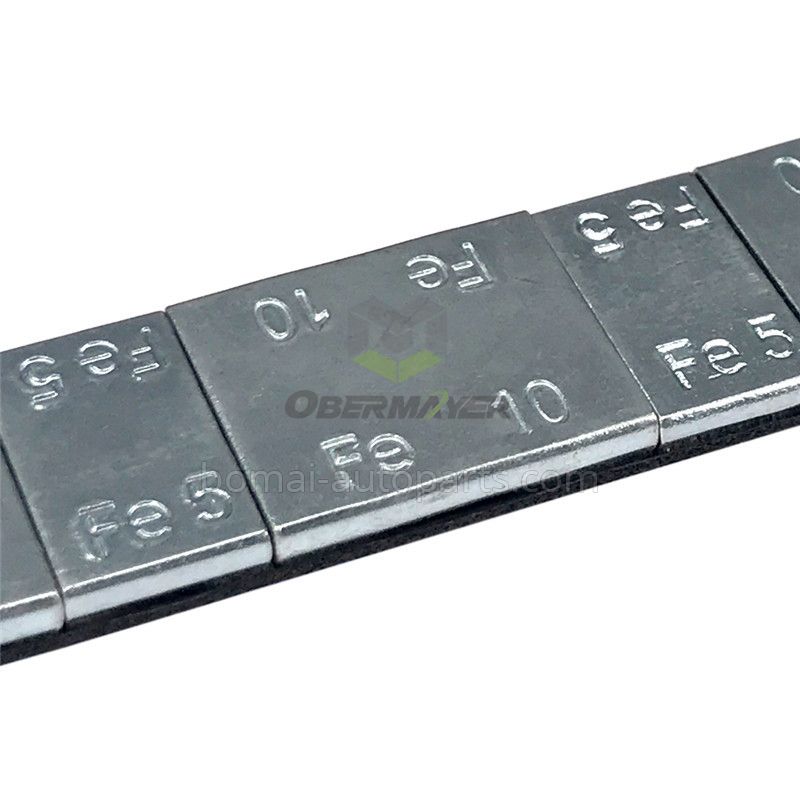
Zinc plated steel wheel balance weight (5+10) g*4 segments right angle
View More